 Shadow Archive
Introduction
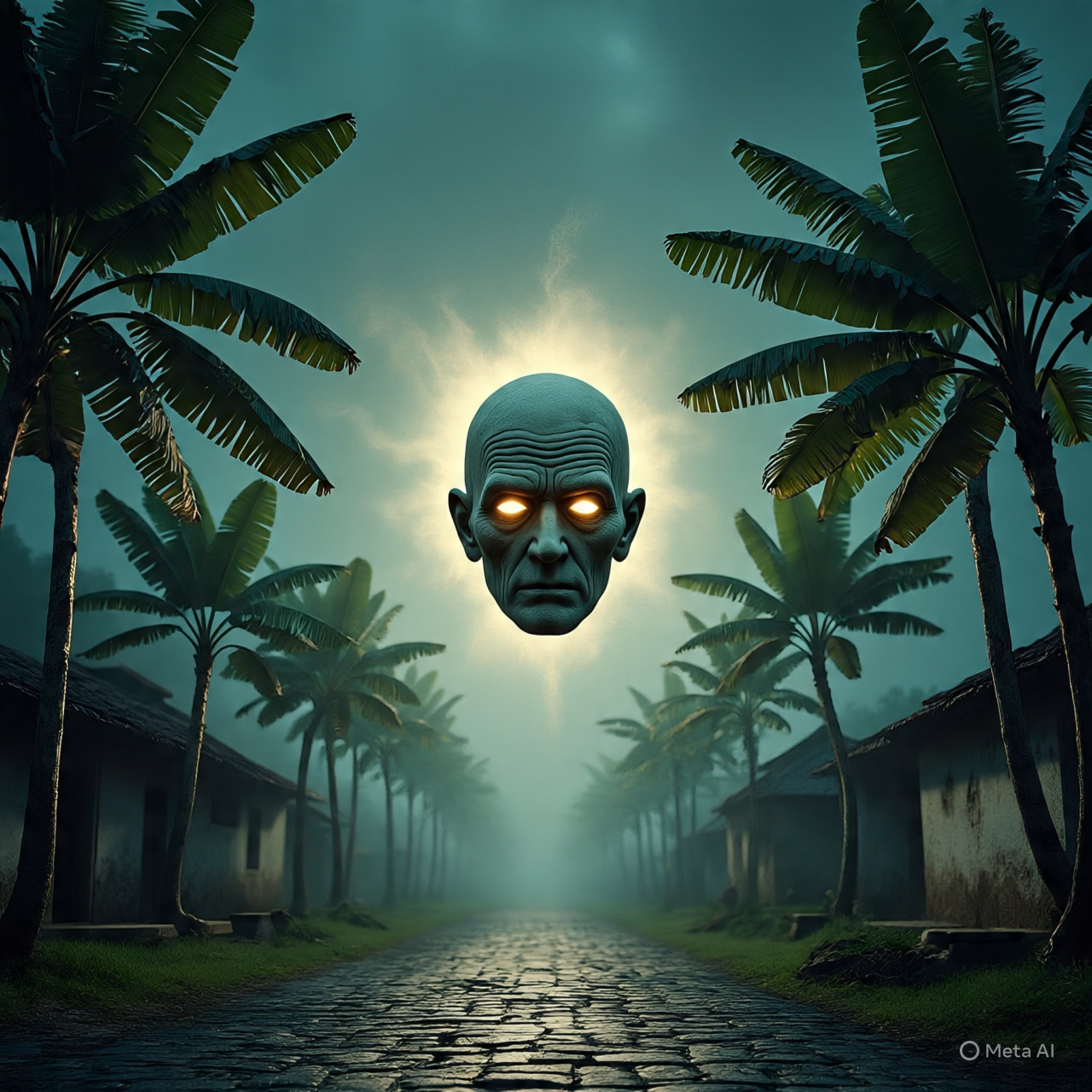
Across the rural villages of Thailand, Cambodia, and Laos, a shared terror exists. It is known by many names—Krasue in Thailand, Ahp in Cambodia, Kasusu in Laos—but the description is always the same: a beautiful woman by day who detaches her head at night. Floating through the air with her glowing internal organs trailing beneath her, she hunts for blood and refuse.
Cultural & Historical Background
The origins of the Krasue are often tied to karmic punishment. Legends describe the first Krasue as a woman of royalty who was burned to death, or a woman who practiced black magic that backfired. The curse is said to be transmissible through saliva; if a Krasue spits into a person's food or water, that person is doomed to become one upon death. Families in rural areas would often place thorny branches around their homes to snag the dragging intestines of the spirit.
Eyewitness Accounts
Sightings are most common in remote agricultural areas. Witnesses describe seeing a faint, floating luminescence hovering over fields or near livestock pens. In 2018, reports surfaced in a village in Buriram province where locals claimed to see a floating head with a green glow attacking chickens. Such reports frequently lead to mass panic and community-organized hunts.
Investigations & Documentation
While mainstream science dismisses the existence of the Krasue, the phenomenon is well-documented in Thai media and cinema. It is a staple of pop culture, appearing in countless films like Krasue Valentine and Inhuman Kiss. Anthropologists study the Krasue as a manifestation of societal fears regarding female autonomy, impurity, and birth, as the spirit is famously drawn to the blood of childbirth.
Skeptical Explanations
Scientific explanations for the "glowing lights" usually point to:
- Methane Gas: Marsh gas igniting in swampy rice fields (will-o'-the-wisp).
- Bioluminescence: Certain fungi or fireflies native to the region.
- Nocturnal Animals: Owls or low-flying birds reflecting light.
Current Status
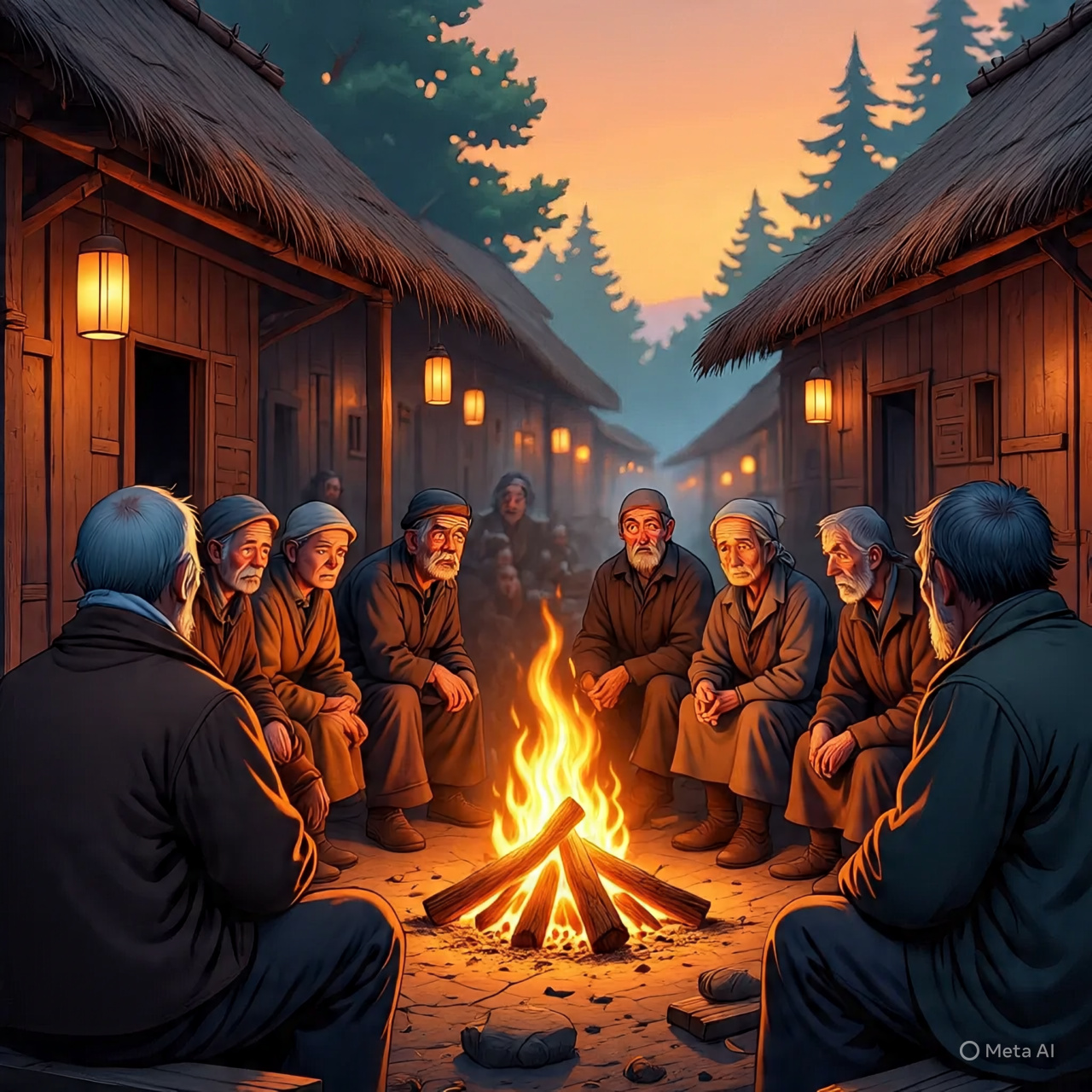
Despite modernization, the belief in the Krasue persists. It remains a powerful symbol in Southeast Asian horror, representing the terrifying intersection of the mundane body and the supernatural curse.
Sources
- Spirits of the Night by T. P. Gavan.
- Thai Folklore Museum Archives.
- Anthropological Studies on Southeast Asian Animism.
Disclaimer
This entry discusses regional folklore and mythology. The Krasue is a legendary creature and its existence is not supported by scientific evidence.