 Shadow Archive
Introduction
In the early hours of July 17, 2010, 19-year-old Iwona Wieczorek vanished while walking home from a nightclub in Sopot, Poland. The case captivated the nation due to haunting CCTV footage that captured her final known movements. For over a decade, it appeared to be a perfect disappearance, but persistent police work eventually unraveled the dark truth behind that summer night.
Background
Iwona had been out with friends at the "Dream Club" in Sopot. Following a disagreement, she left the club alone around 3:00 AM to walk home to Gdańsk, a distance of about 6 kilometers along the seaside promenade. She was dressed in summer attire and high heels. She maintained phone contact with friends until her battery died at 4:12 AM.
Timeline of Events
- July 17, 2010, 3:07 AM: CCTV captures Iwona walking past the Sheraton Hotel.
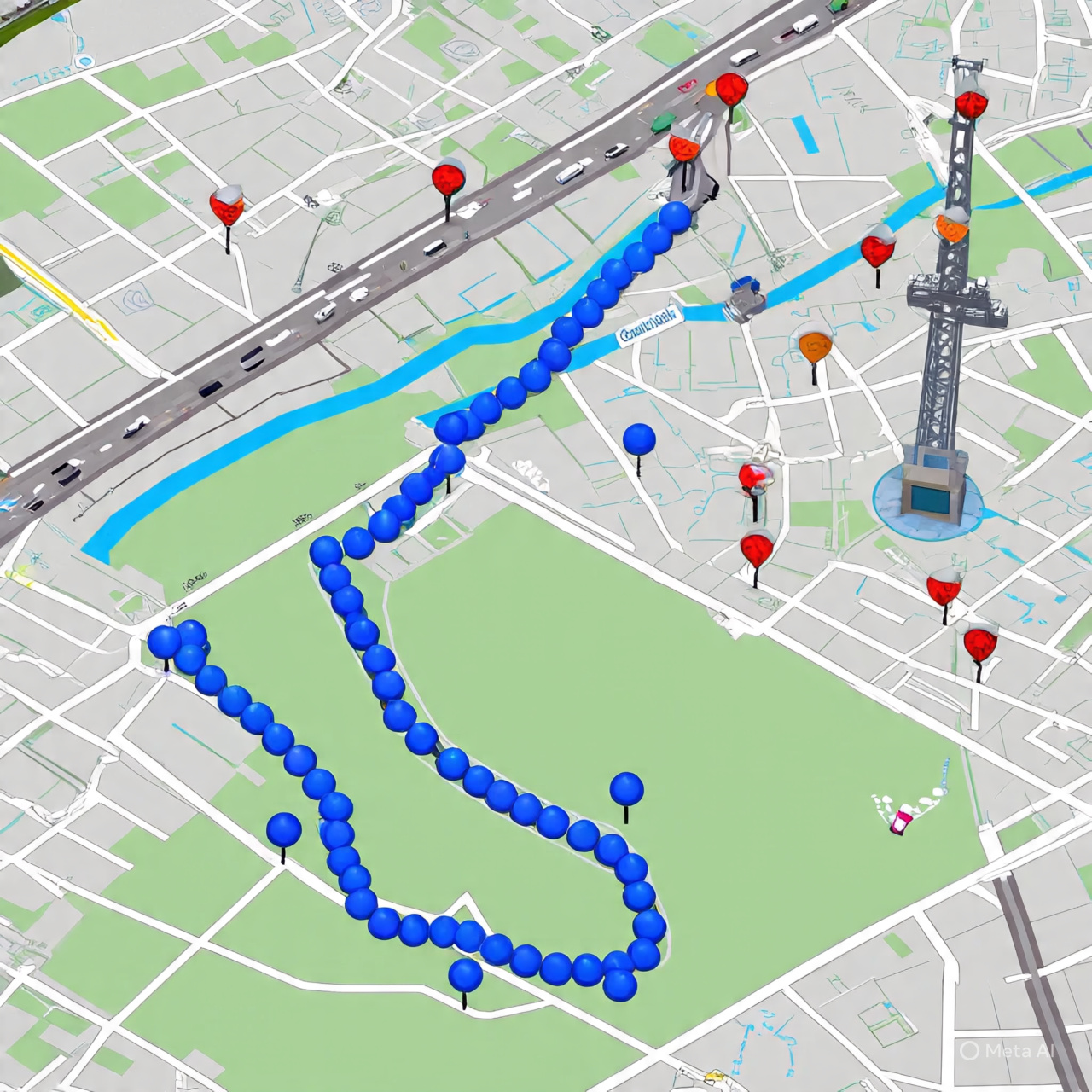
- 4:12 AM: The last fleeting signal from her phone registers near the entrance to Reagan Park.
- 4:15 AM: The "Man with the Towel" is seen following her on CCTV, becoming a primary person of interest.
- July 2010 onwards: Massive search operations are conducted in Reagan Park and surrounding dunes involving police, divers, and volunteers.
Investigation and Evidence
The "X-Files" (Archiwum X) police unit eventually took over the case. Initial investigations focused on the "Man with the Towel," who was finally identified years later but cleared of direct involvement. The focus then shifted back to Iwona's inner circle. Forensic analysis of phone data and inconsistent witness statements from her companions that night provided new leads. Investigators utilized ground-penetrating radar and cadaver dogs to search new areas of the park, uncovering biological traces that had been missed in 2010.
Arrest and Legal Proceedings
Breakthroughs in the 2020s led to significant legal movement. Prosecutors charged Paweł P., a friend who was with Iwona that night, with obstructing the investigation and destroying evidence. While a direct murder charge was difficult to prove without a body, the accumulation of circumstantial evidence pointed to a cover-up among those present that night. The investigation revealed that the answers had likely been hidden in plain sight from the beginning.

Resolution
The case serves as a grim example of how silence and obstruction can delay justice. While the physical recovery of Iwona remains the final missing piece, the legal system's dismantling of the false alibis provided closure to the question of "who knows what happened." The charges brought against her associate confirmed that her disappearance was not a random abduction but a crime concealed by those she trusted.
Impact and Legacy
The disappearance of Iwona Wieczorek changed how missing persons cases are handled in Poland. It highlighted the critical importance of immediate evidence preservation and the role of private detective agencies and media in keeping cold cases alive.
Sources
- Polish National Police Headquarters (Komenda Główna Policji).
- Kraków Prosecutor's Office (Archiwum X).
- "Sprawa Iwony Wieczorek" - Investigative Reports.
Disclaimer
This story is based on the findings of the Polish police "Archiwum X" unit and public prosecutor statements up to 2023-2024.