 Shadow Archive
Introduction
In May 2011, the murder of Le Van Luyen in Bac Giang Province, Vietnam, became one of the country's most notorious criminal cases. The victim, a 56-year-old farmer, was killed in a brutal attack that shocked the local community. The subsequent investigation, confession, and trial drew national attention and highlighted the capabilities of Vietnam's criminal justice system in solving complex cases.
Background and Context
Le Van Luyen was a farmer living in a rural area of Bac Giang Province in northern Vietnam. He lived a quiet life, known in his community as a hardworking individual. The province, primarily agricultural, had low crime rates, making the violent nature of this case particularly shocking to residents.
In May 2011, Le Van Luyen was reported missing by family members. What began as a missing person investigation would soon evolve into a murder case that would captivate Vietnam.
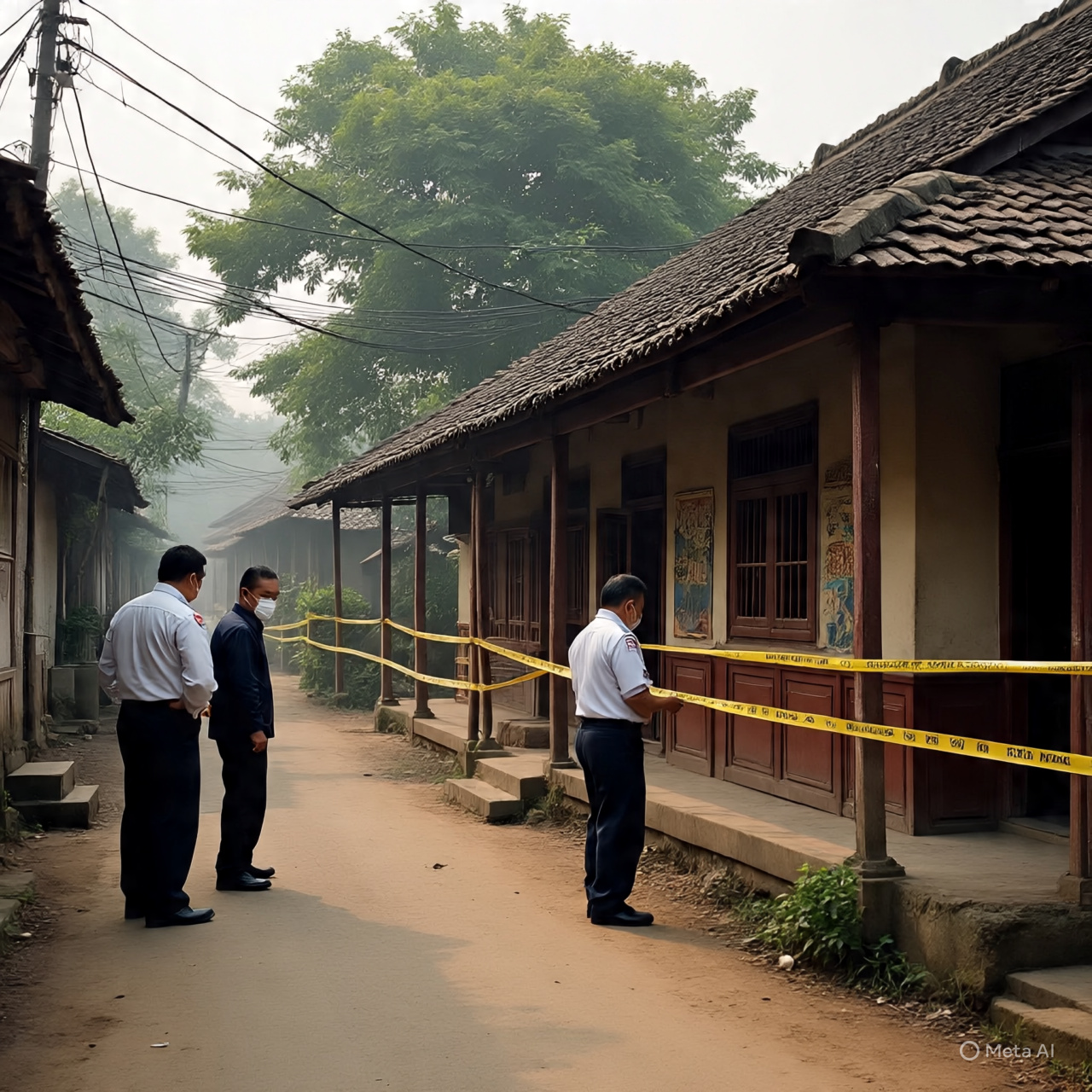
Timeline of Events
- May 2011: Le Van Luyen is reported missing by family members.
- May 2011: Local police begin investigation, treating it initially as a missing person case.
- May 2011: Evidence emerges suggesting foul play. The case is escalated to a homicide investigation.
- June 2011: Suspects are identified through witness statements and forensic evidence.
- June 2011: Arrests are made. Suspects provide confessions detailing the crime.
- Late 2011: Trial proceedings begin at the People's Court.
- 2012: Verdicts delivered and sentences imposed.
Investigation Details
The investigation was conducted by the Bac Giang Provincial Police with support from national investigative units. The case demonstrated several key investigative techniques:
Crime Scene Analysis: Forensic teams conducted thorough examinations of multiple locations. Physical evidence was collected and analyzed, including trace evidence that would prove crucial to the case.
Witness Interviews: Investigators conducted extensive interviews with community members. Several witnesses provided information about suspicious activities and individuals in the area around the time of the disappearance.
Forensic Evidence: Pathology reports established cause of death. Forensic analysis of physical evidence linked suspects to the crime scene. DNA evidence was collected and analyzed.
Interrogation Techniques: Vietnamese police employed systematic interrogation methods that ultimately led to confessions from the accused.
Arrests and Evidence
The investigation led to the arrest of multiple individuals connected to the murder. The evidence against them included:
- Confessions: The accused provided detailed confessions describing their roles in the crime, the motive, and the method.
- Physical Evidence: Items belonging to the victim were recovered from the suspects' possession.
- Forensic Links: Scientific evidence connected the suspects to the crime scene and the victim.
- Witness Testimony: Multiple witnesses placed the suspects in proximity to the victim around the time of the murder.
- Motive Establishment: Investigators established a clear motive related to financial disputes.
The confessions were detailed and corroborated by physical evidence, creating a comprehensive case for prosecution.

Trial and Verdict
The trial was held at the People's Court of Bac Giang Province. The proceedings were conducted according to Vietnamese criminal procedure law, with the People's Procuracy presenting the prosecution case.
The prosecution presented:
- Detailed confessions from the accused
- Forensic evidence linking suspects to the crime
- Witness testimony establishing timeline and opportunity
- Expert testimony on cause of death and forensic findings
- Evidence of motive and premeditation
The defense argued for leniency based on various mitigating factors, but the evidence of guilt was overwhelming.
The court found the accused guilty of murder. Sentences were imposed according to Vietnamese criminal law, with the primary perpetrators receiving severe penalties including life imprisonment. The verdict was seen as a demonstration of the effectiveness of Vietnam's criminal justice system in handling serious crimes.
Aftermath and Impact
The Le Van Luyen case had several significant impacts on Vietnamese society:
Public Awareness: The case received extensive media coverage in Vietnam, raising public awareness about rural crime and the importance of community vigilance.
Investigative Techniques: The successful resolution of the case was cited as an example of effective police work, combining traditional investigative methods with modern forensic science.
Legal Precedent: The case became a reference point in Vietnamese legal education and training for how to handle complex murder investigations in rural areas.
Community Impact: The resolution brought closure to the victim's family and the local community, while also serving as a deterrent to violent crime in the region.
Media Coverage: Vietnamese news outlets extensively covered the case, and it was discussed in legal and criminology circles as a significant case study.
Sources
- People's Court of Bac Giang Province - Case records and verdict documentation.
- Vietnamese Ministry of Public Security official reports.
- Vietnamese news archives: VnExpress, Tuoi Tre, Thanh Nien.
- Legal case studies from Vietnamese law journals.
- Provincial police investigative reports (public portions).
Disclaimer
This article presents facts established by Vietnamese courts and documented by official investigations. Shadow Archive maintains a victim-first approach and presents this case as part of the historical record of criminal justice in Vietnam.
General Disclaimer: This website is intended for educational and informational purposes only. All content is based on publicly available court documents and verified sources.