 Shadow Archive
Introduction
The sound of scraping metal on pavement. The rhythmic "teke-teke" noise that gives this legend its name. In Japanese school culture, few urban legends have proven as enduring or as terrifying as the story of Teke Teke—a vengeful spirit said to haunt railway stations and dark streets, dragging herself along on her elbows at impossible speeds. This legend represents a fascinating intersection of post-war trauma, railway safety concerns, and the powerful oral tradition of Japanese schoolchildren.
Historical Background
Teke Teke emerged in the post-World War II era, during Japan's rapid modernization and expansion of its railway system. The legend is believed to have originated in the 1960s-1970s, though pinpointing an exact date is difficult due to its oral transmission through school culture.
The story is part of a broader category of Japanese railway ghost stories, which became increasingly common as train travel expanded and railway accidents—particularly involving pedestrians and suicides—became a tragic reality of modern Japanese life. The railway system, while a symbol of progress, also became a site of anxiety and death.
The Legend
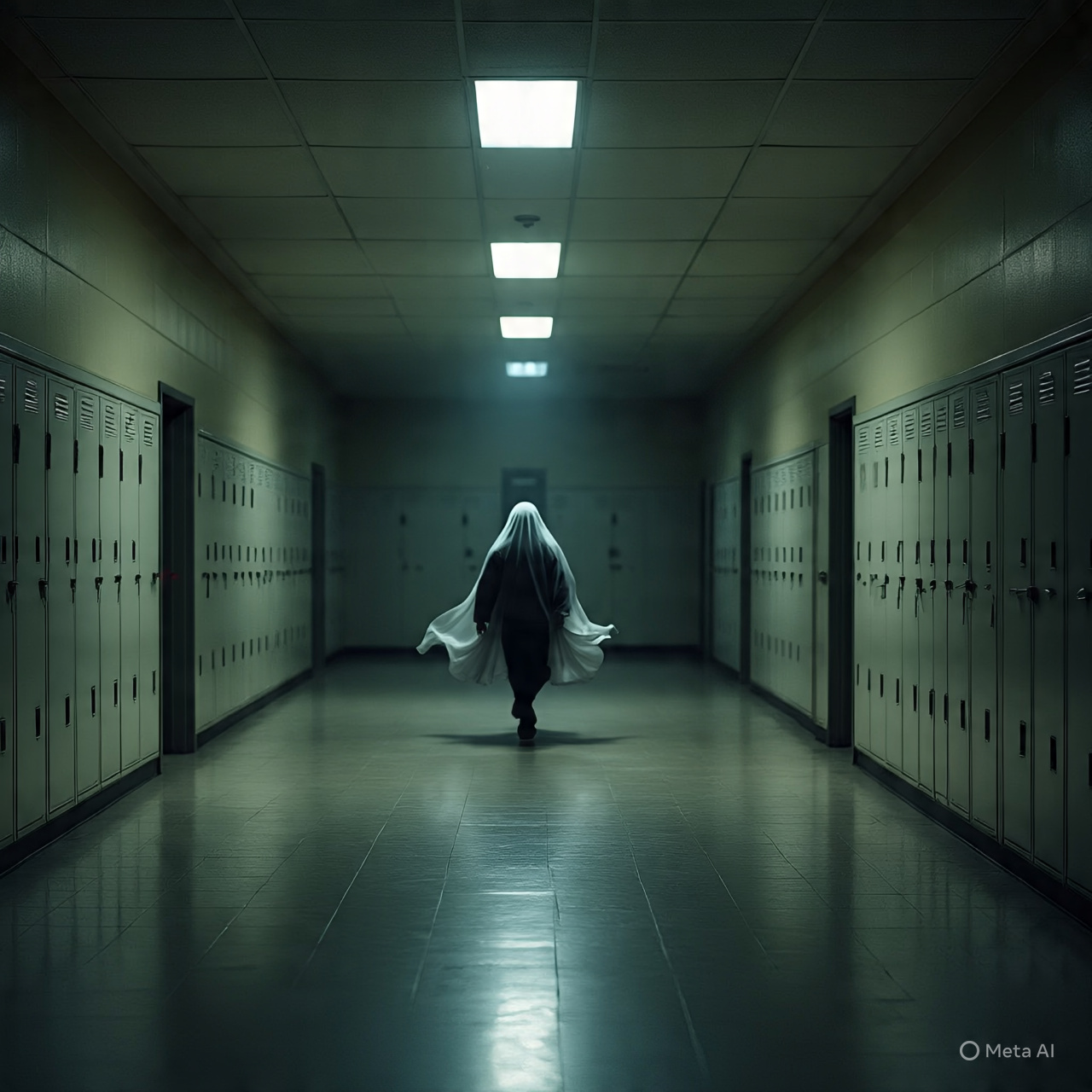
According to the most common version, Teke Teke was once a young woman who fell onto railway tracks—either accidentally, while being bullied, or during a suicide attempt. She was struck by a train and severed at the waist, dying in agony in the snow.
Now, her vengeful spirit haunts railway stations, tunnels, and dark streets. She drags her upper body along using her hands or elbows, moving at supernatural speed despite her condition. The "teke-teke" sound comes from her hands or elbows scraping against the ground as she pursues victims.
The legend includes a curse element: if you see Teke Teke, she will chase you down and cut you in half at the waist with a scythe or saw, making you like her. Some versions claim that simply hearing about her puts you at risk—you must pass the story to someone else within a certain timeframe or she will come for you.
Regional Variations: Kashima Reiko
Teke Teke is closely related to another urban legend called Kashima Reiko (or Kashima-san), which shares similar elements but with different details. In the Kashima Reiko version, the spirit appears in school bathrooms and asks victims where her legs are. Answering incorrectly results in the victim losing their own legs.
These variations demonstrate how urban legends adapt to different settings (railway stations vs. school bathrooms) while maintaining core themes of dismemberment, vengeance, and the transmission of cursed knowledge. Both legends likely evolved from common roots in post-war Japanese folklore.
School Storytelling Culture
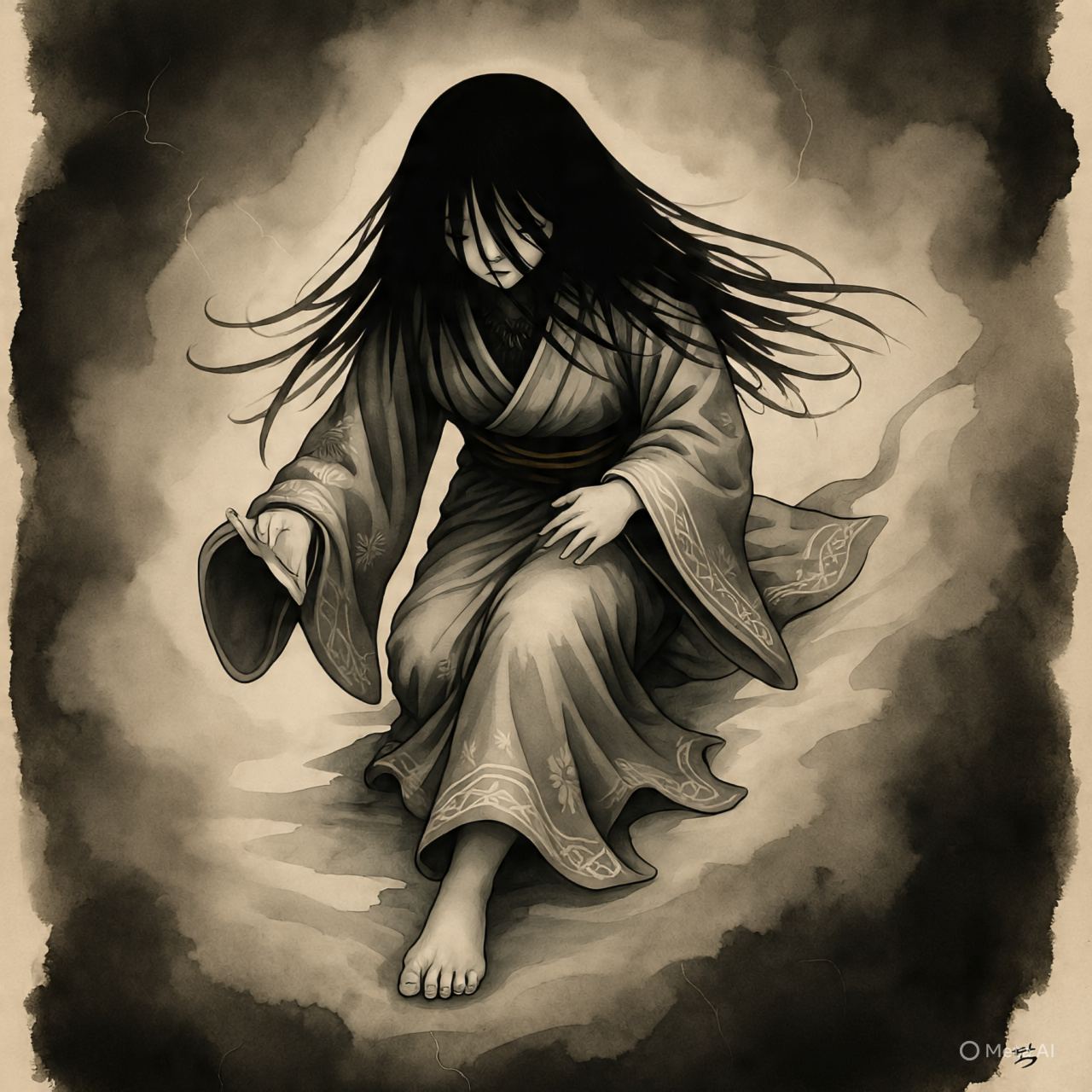
Teke Teke spread primarily through Japanese school culture, where ghost stories (kaidan) are a significant part of social bonding, particularly during summer. The legend was shared during:
- Test of Courage Events: Summer activities where students tell scary stories or visit supposedly haunted locations.
- Sleepovers and School Trips: Overnight events where ghost stories are traditional entertainment.
- Playground Exchanges: Casual sharing of urban legends as a form of social currency among students.
- Written Forms: The legend appeared in children's horror story collections and magazines in the 1980s-1990s.
The story's structure—with its curse element requiring retelling—ensured its viral spread through school populations, functioning almost like a chain letter.
Why Railway Ghost Stories Are Common in Japan
Railway-related ghost stories occupy a significant place in Japanese urban folklore for several reasons:
- Railway Accidents: Japan's extensive railway system has unfortunately been the site of numerous accidents and suicides, creating real-world tragedy that feeds into folklore.
- Liminal Spaces: Railway stations, platforms, and tunnels are transitional spaces—neither fully public nor private—which in folklore often become sites of supernatural activity.
- Modernization Anxiety: Railways represented rapid modernization, and ghost stories may have expressed anxieties about technological change and its human cost.
- Cultural Taboos: Railway suicides are a sensitive topic in Japan, and folklore may serve as an indirect way to process these tragedies.
- Visibility and Anonymity: Railway platforms are public spaces where strangers encounter each other briefly, creating perfect conditions for urban legend scenarios.
Cultural Impact
Teke Teke has become one of Japan's most recognizable modern urban legends, appearing in various media:
- Horror films and short films specifically about the legend
- Manga and anime featuring the character or references to the story
- Video games incorporating the legend into horror scenarios
- Internet creepypasta and digital storytelling adaptations
The legend has also spread beyond Japan, becoming known internationally through internet culture and Japanese media exports, though it remains most potent within Japanese cultural context.
Skeptical and Academic Explanations
Folklorists and psychologists offer several interpretations of the Teke Teke legend:
- Trauma Processing: The legend may help communities process the reality of railway accidents and deaths in an indirect, narrative form.
- Safety Messaging: Like many cautionary tales, it may serve to warn children about the dangers of railway tracks and platforms.
- Adolescent Anxiety: The dismemberment theme may symbolize anxieties about bodily integrity and identity during adolescence.
- Social Bonding: Sharing scary stories creates group cohesion and tests social courage, serving important developmental functions.
- Cultural Continuity: Modern urban legends like Teke Teke continue Japan's long tradition of yōkai and ghost stories, adapting ancient narrative patterns to contemporary settings.
No verified cases of supernatural encounters exist, though the legend draws power from real railway tragedies that have occurred throughout Japan's modern history.
Current Status
Teke Teke remains a popular urban legend in Japan, particularly among school-aged children and teenagers. While the peak of its popularity may have been in the 1980s-1990s, the legend continues to be shared and adapted in the digital age.
The story has been studied academically as an example of modern folklore transmission, particularly how urban legends adapt to technological and social changes while maintaining core narrative elements. It represents the ongoing vitality of oral tradition even in highly technological societies.
Sources
- Foster, Michael Dylan. Pandemonium and Parade: Japanese Monsters and the Culture of Yōkai (2009).
- Reider, Noriko T. Japanese Demon Lore: Oni from Ancient Times to the Present (2010).
- De Vos, George and Wagatsuma, Hiroshi. Heritage of Endurance: Family Patterns and Delinquency Formation in Urban Japan (1984).
- Komatsu, Kazuhiko. Yōkai Culture in Japan (Japanese, 1994).
- Academic studies on Japanese urban legends and school folklore traditions.
- Japanese railway safety documentation and historical accident records.
Disclaimer
This story is presented as cultural folklore and urban legend. While railway accidents have tragically occurred in Japan's history, there is no verified evidence of supernatural entities. Shadow Archive presents this as a study in folklore transmission and cultural storytelling, not as proven fact.
General Disclaimer: This website is intended for educational and informational purposes only. All content is based on publicly available sources and academic research.