 Shadow Archive
Introduction
For over three decades, a prisoner was moved between maximum-security fortresses in France, always under the watchful eye of the same jailer, Bénigne Dauvergne de Saint-Mars. No one was allowed to see his face or hear his voice, save for his confessor. Voltaire later dramatically claimed the mask was made of iron, though historical records suggest black velvet. The identity of this man remains one of history's greatest secrets.
Historical / Background Context
The reign of Louis XIV, the Sun King, was marked by absolute power and intrigue. While many were imprisoned by lettre de cachet (a royal order), this specific prisoner received unprecedented attention. Instructions given to Saint-Mars were explicit: the prisoner was to be killed immediately if he spoke of anything other than his physical needs.
Discovery or Origin
The prisoner's existence was first noted in letters in July 1669, when the Marquis de Louvois, Louis XIV's minister, wrote to Saint-Mars regarding a prisoner named "Eustache Dauger." He was held in Pignerol, then Exiles, and finally the Bastille, where he died in 1703. He was buried under the name "Marchioly," adding another layer of obfuscation.
Evidence and Known Facts
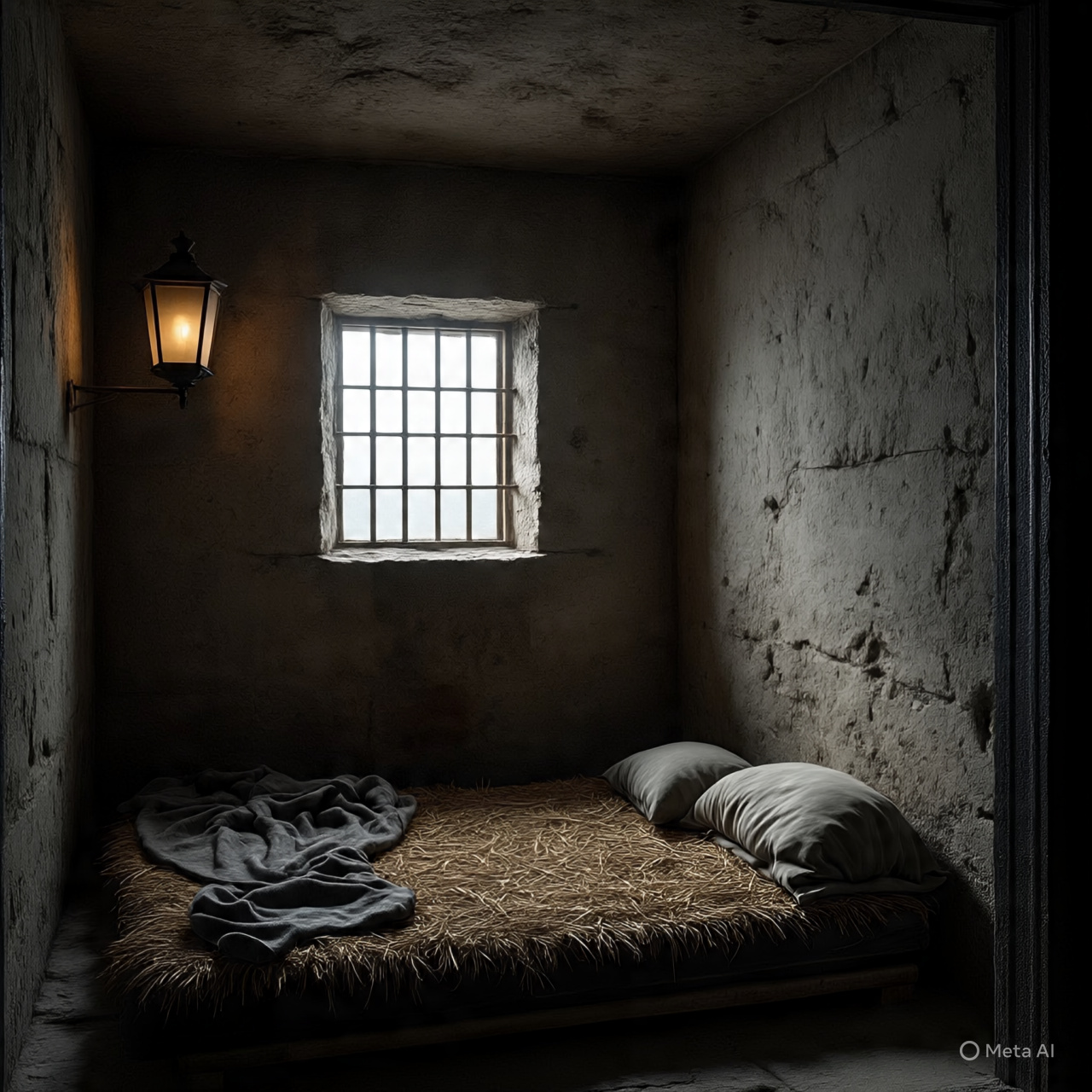
Saint-Mars' correspondence confirms the prisoner's high value. Special cells were constructed with multiple doors to prevent eavesdropping. The prisoner wore a mask—likely black velvet stiffened with whalebone—whenever he was moved or when outsiders were present. Despite the strict secrecy, accounts state he was treated with relative respect regarding clothing and food.
Investigations and Research
Historians across centuries have scoured French archives. Voltaire, who was imprisoned in the Bastille shortly after the unknown man's time, popularized the theory that he was the older, illegitimate brother of Louis XIV. Alexandre Dumas famously adapted this theory. However, modern historians look to less sensational candidates, analyzing prison rosters and death records.

Theories and Interpretations
The leading theories include:
- Eustache Dauger: A valet involved in a political scandal. This name was used in the initial letter, but he may have been a proxy.
- Count Ercole Antonio Mattioli: An Italian field diplomat who double-crossed Louis XIV.
- A Royal Relation: An illegitimate son or twin brother of the King, whose existence would threaten the line of succession.
What Remains Unexplained
If the prisoner was a lowly valet like Dauger, why the mask and the decades of secrecy? If he was royalty, why was he not simply executed? The discrepancy between the "Marchioly" burial name and the "Dauger" arrest name continues to baffle researchers, suggesting a possible switch of prisoners or a deliberate false trail.
Current Status
The Man in the Iron Mask remains an unsolvable puzzle due to the destruction of records and the calculated secrecy of the era. He is a symbol of the arbitrary power of the French monarchy and the forgotten victims of the Ancien Régime.
Sources
- The Man in the Iron Mask by Paul Sonnino.
- Archives Nationales (France) - Administration of the Bastille.
- Voltaire's Questions sur l'Encyclopédie (1771).
- Letters of Marquis de Louvois.
Disclaimer
This story is presented for educational and informational purposes only. It is based on publicly available historical records, academic research, and documented investigations. The website does not claim definitive conclusions where none exist.