 Shadow Archive
Introduction
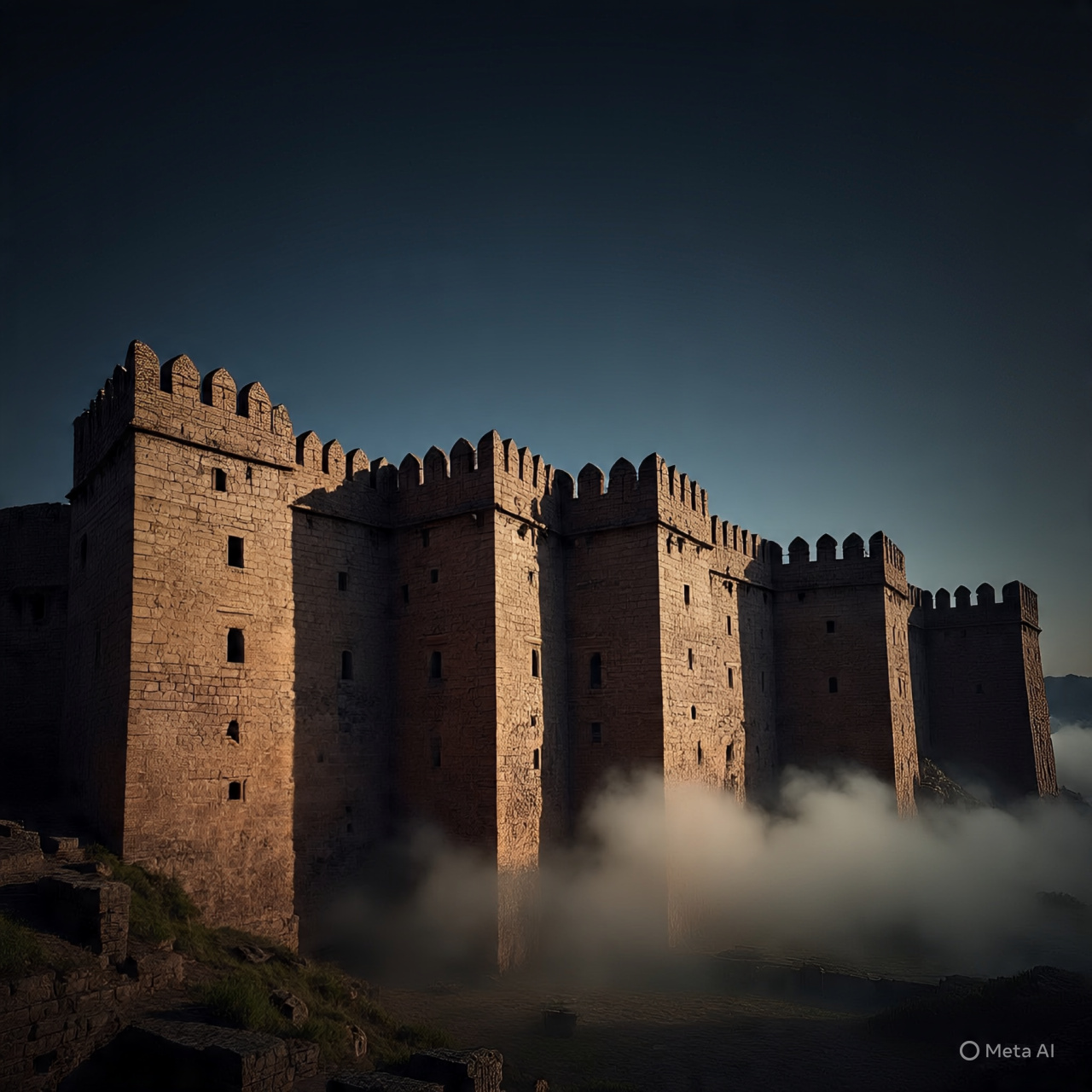
Nestled in the Alwar district of Rajasthan, the ruins of Bhangarh Fort stand as a chilling testament to a bygone era. It is famous not just for its architectural beauty, but for the government's strict warning: "Entering the borders of Bhangarh before sunrise and after sunset is strictly prohibited." This mandate by the Archaeological Survey of India (ASI) has fueled the legend of Bhangarh as the most haunted place in India.
Historical Background
Built in the 17th century by Raja Madho Singh, the younger brother of the Mughal general Man Singh I, Bhangarh was once a flourishing town of over 10,000 residents. The fort complex includes temples, palaces, and marketplaces. However, the city was abandoned abruptly, leaving the structures remarkably intact but devoid of life. Historical records suggest a famine in 1783 may have forced the mass exodus, but local lore tells a different story.
Folklore Narratives
The most prevailing legend involves a tantric (wizard) named Singhia, who fell in love with the beautiful Princess Ratnavati of Bhangarh. Knowing his match was impossible, he attempted to use black magic to win her over by enchanting a vial of perfume. The princess, seeing through the trick, threw the vial onto a boulder. The boulder, crushed by the weight of the magic, rolled down and crushed Singhia. With his dying breath, he cursed the fort, proclaiming that no one would be able to live within its precincts and that the city would be destroyed. Another legend speaks of a vow to a local ascetic, Guru Balu Nath, whose meditation spot was overshadowed by the fort's expansion, triggering his wrath.
Investigations
Paranormal investigators and thrill-seekers who have attempted to stay past sunset report an oppressive atmosphere, the sound of women screaming, and the sensation of being followed. Tech-based investigations often report electromagnetic field (EMF) anomalies. However, official archaeological reports focus on the structural integrity and historical preservation of the site rather than supernatural occurrences.
Skeptical Explanations
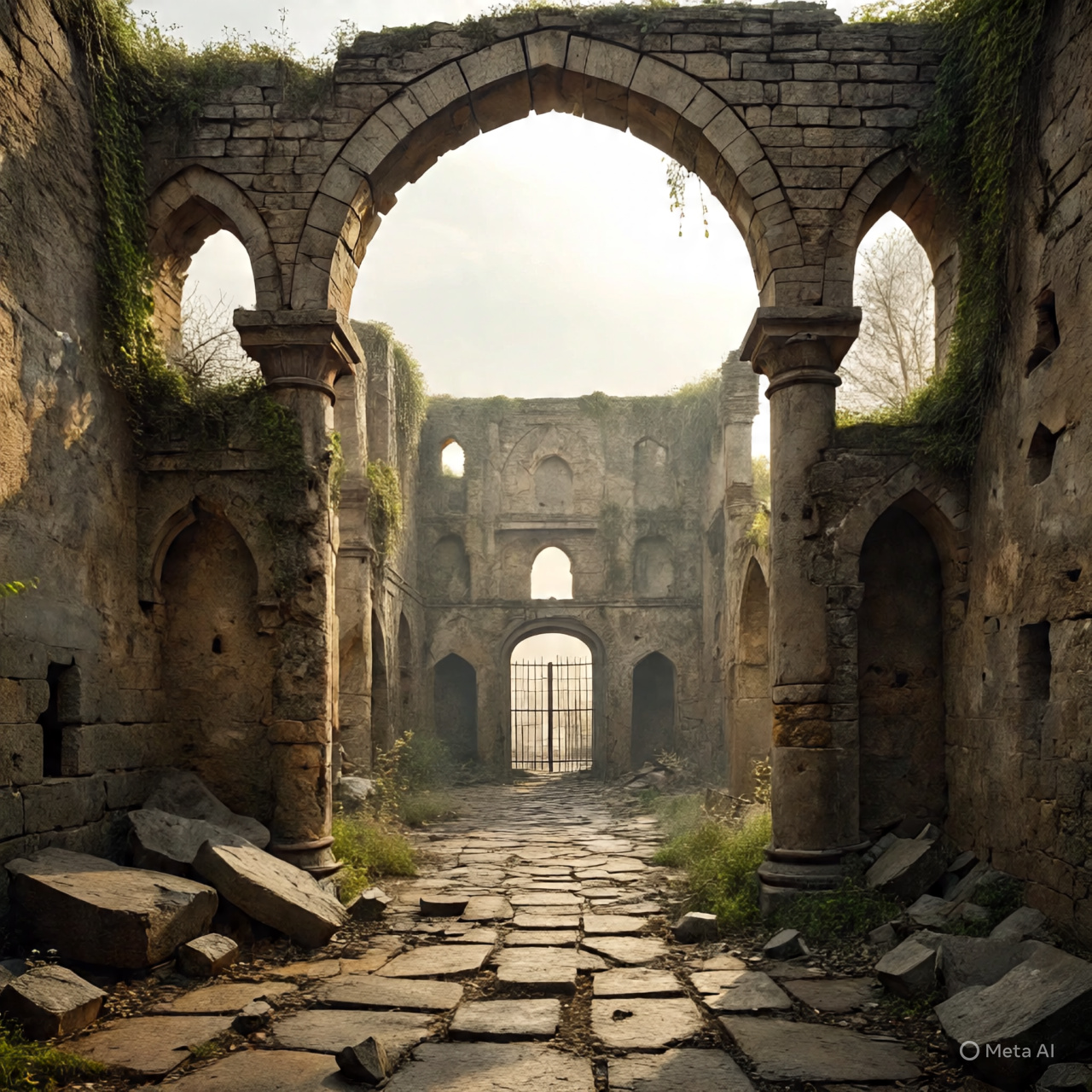
Skeptics and historians argue that the "curse" is a romanticized explanation for a strategic military abandonment or the result of a devastating famine. The abundance of roofless houses is often cited as proof of the curse (that roofs collapse on occupiers), but archaeologists attribute this to the decay of wooden beam structures over centuries. The prohibition on night entry is primarily for safety—the ruins are located near the Sariska Tiger Reserve, making wild animals a very real nocturnal threat.
Current Status
Bhangarh Fort remains a major tourist destination for daytime visitors. The eerie silence of the ruins, combined with the temple bells that still ring, creates a unique atmosphere that continues to draw thousands who wish to experience the legend for themselves—safely, before the sun goes down.
Sources
- Archaeological Survey of India (ASI) Reports.
- Rajasthan Tourism Board.
- Haunted Places of India by R. Kumar.
Disclaimer
This article explores local folklore and legends associated with a historical site. While the prohibition on night entry is a verified legal mandate, the stories of curses and hauntings are part of cultural tradition and not scientific fact.