 Shadow Archive
Introduction
In the early 19th century, the growing settlement of Adams, Tennessee, became the epicenter of a terrifying series of events that would become American folklore legend. The haunting of the Bell family farm is unique in its detail, duration, and the number of eyewitnesses—including a future President of the United States—who claimed to have experienced the phenomena.
Historical Background
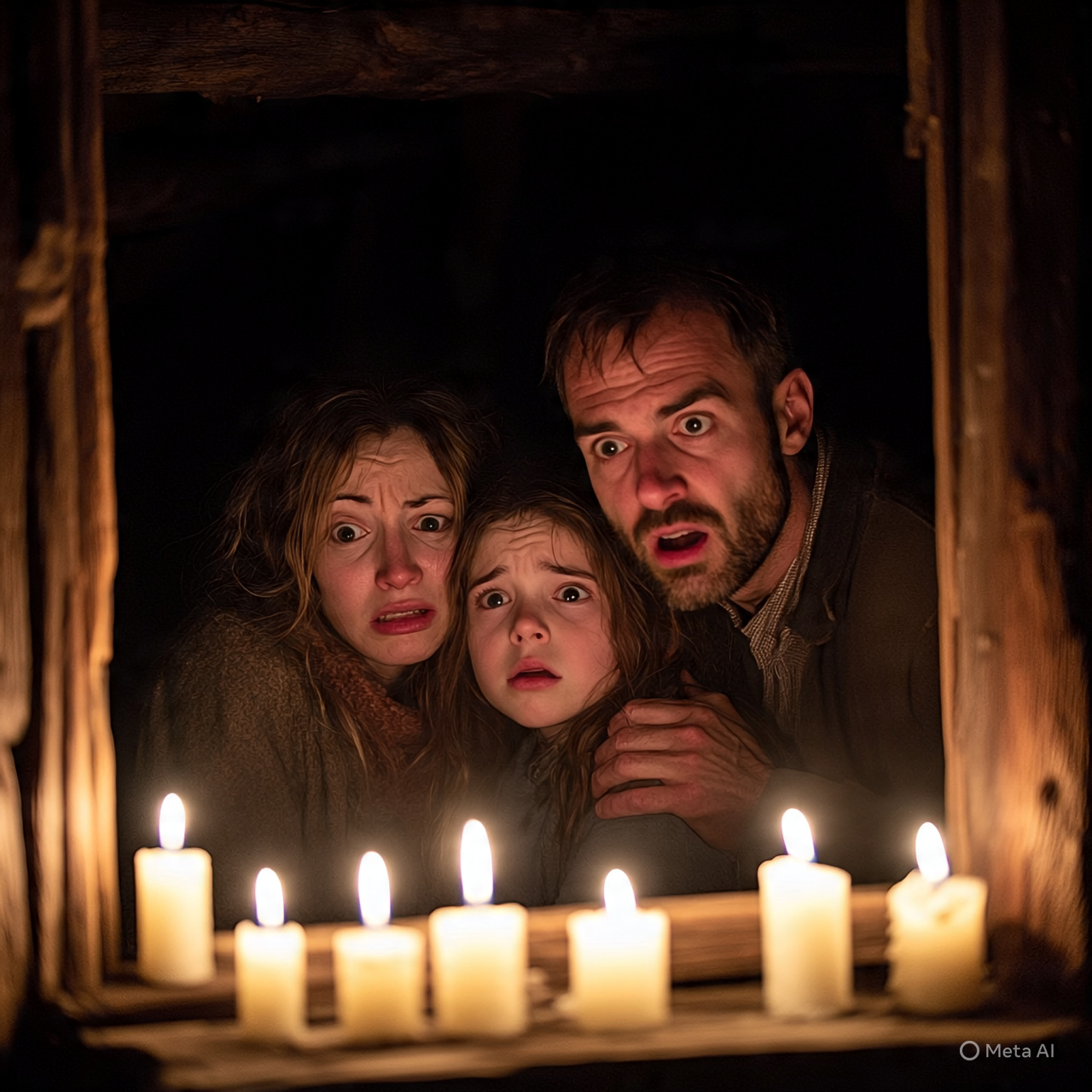
John Bell settled in the Red River area of Tennessee in the early 1800s. A prosperous farmer and church elder, Bell lived a quiet life until 1817, when he encountered a strange animal in his cornfield—a dog with the head of a rabbit. Shortly after, the family began hearing knocking, scratching, and gnawing sounds on the exterior walls of their log home. These disturbances quickly escalated into physical attacks, particularly targeting Bell's youngest daughter, Betsy.
Eyewitness Accounts
The entity, later dubbed "Kate" or the "Bell Witch," eventually gained a voice. It quoted scripture, sang hymns, and engaged in intelligent conversation. Witnesses reported:
- Physical assaults: Betsy Bell was slapped, pinched, and had her hair pulled by unseen hands.
- Andrew Jackson's visit: Folklore states that General Andrew Jackson, intrigued by the stories, visited the farm. His wagon wheels reportedly froze on the property line until the witch gave them permission to move.
- John Bell's decline: The entity openly detested John Bell, vowing to kill him. Bell suffered from episodes of facial paralysis and eventually died in 1820. A small vial of unidentified black liquid was found at his deathbed; the witch claimed to have poisoned him.
Investigations
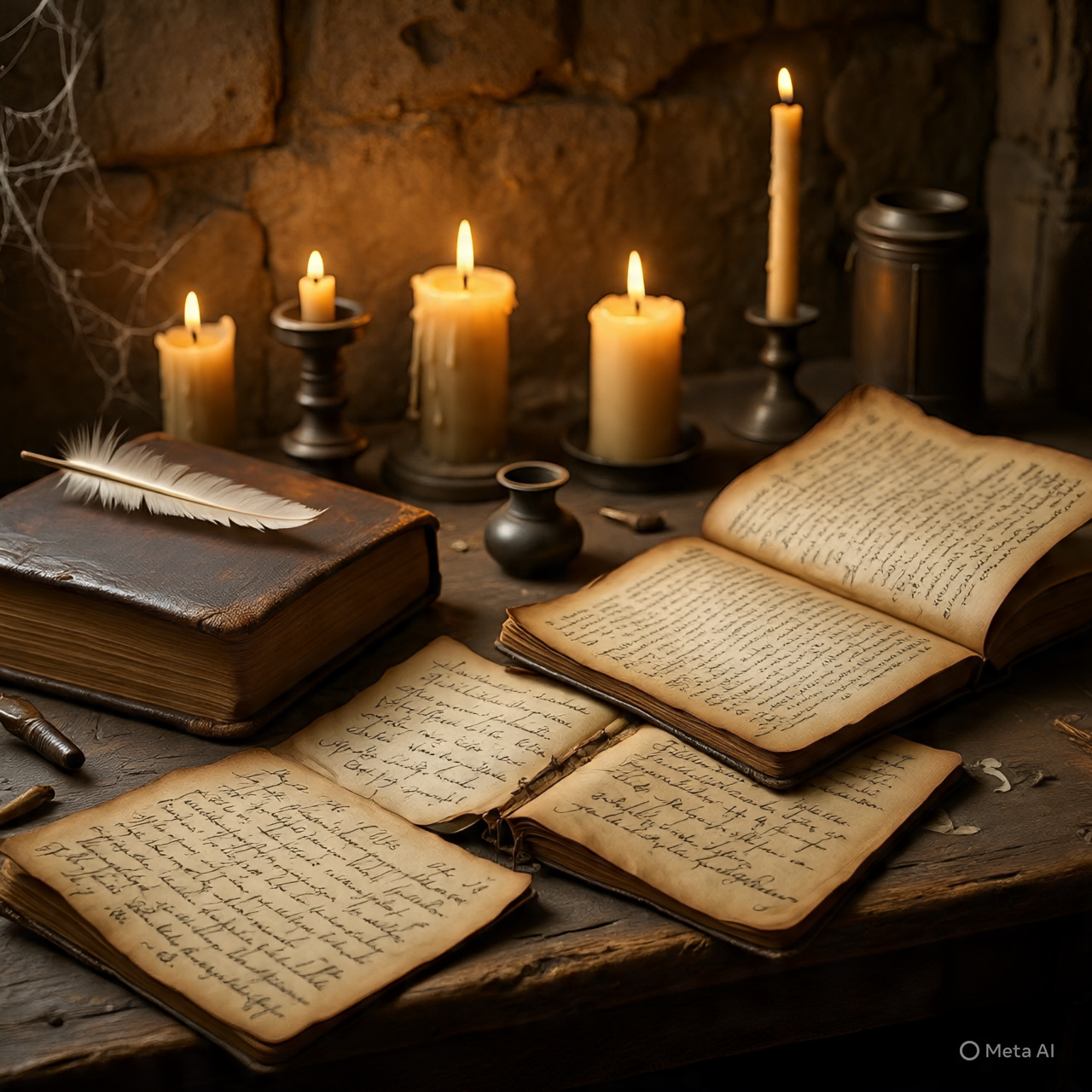
Unlike many ghost stories, the Bell Witch phenomena were investigated by hundreds of neighbors, clergy, and skeptics during the four-year period. Richard Williams Bell, John's son, wrote a detailed manuscript titled Our Family Trouble, which remains the primary source for the events. However, contemporary documentation from the 1817-1821 period is scarce, necessitating reliance on later memoirs.
Skeptical Explanations
Modern researchers propose several non-supernatural explanations:
- Poltergeist manifestations: Some parapsychologists view the case as a classic poltergeist haunting centered around Betsy Bell, possibly triggered by adolescent stress.
- Fraud/Ventriloquism: Skeptics suggest the "voice" may have been a feat of ventriloquism, possibly by Betsy or a family friend, used to manipulate family dynamics or community standing.
- Poisoning: John Bell's death and partial paralysis symptoms are consistent with neurological conditions or heavy metal poisoning, unrelated to supernatural causes.
Current Status
The Bell Witch Cave, located on the original property, is a popular tourist attraction. The legend permeates Tennessee culture, and the entity "Kate" is said to have promised to return in 1935 and again in the future. The story remains a cornerstone of Southern Gothic folklore.
Sources
- Authentication of the Bell Witch by Martin Van Buren Ingram (1894).
- Our Family Trouble by Richard Williams Bell.
- Tennessee State Library and Archives.
Disclaimer
This story is a documented legend of American folklore. The events described are based on historical memoirs and oral tradition, not scientifically verified facts. Shadow Archive presents this for its cultural significance.