 Shadow Archive
Introduction
On November 13, 1974, Ronald DeFeo Jr. shot and killed six members of his family at 112 Ocean Avenue. Thirteen months later, in December 1975, George and Kathy Lutz bought the Dutch Colonial house, believing it was their dream home. Twenty-eight days later, they fled in terror, leaving all their possessions behind. Their story became a global phenomenon, spawning books and films, but the line between fact and fiction remains blurred.
Background
The tragedy began with the DeFeo murders. Ronald DeFeo Jr. confessed, claiming voices told him to do it. The Lutzes knew of the murders but purchased the house for a bargain price. Shortly after moving in, they claimed to experience escalating paranormal activity: swarms of flies in winter, cold spots, green slime oozing from walls, and George waking up at 3:15 AM every night—the estimated time of the DeFeo killings.
Eyewitness Accounts
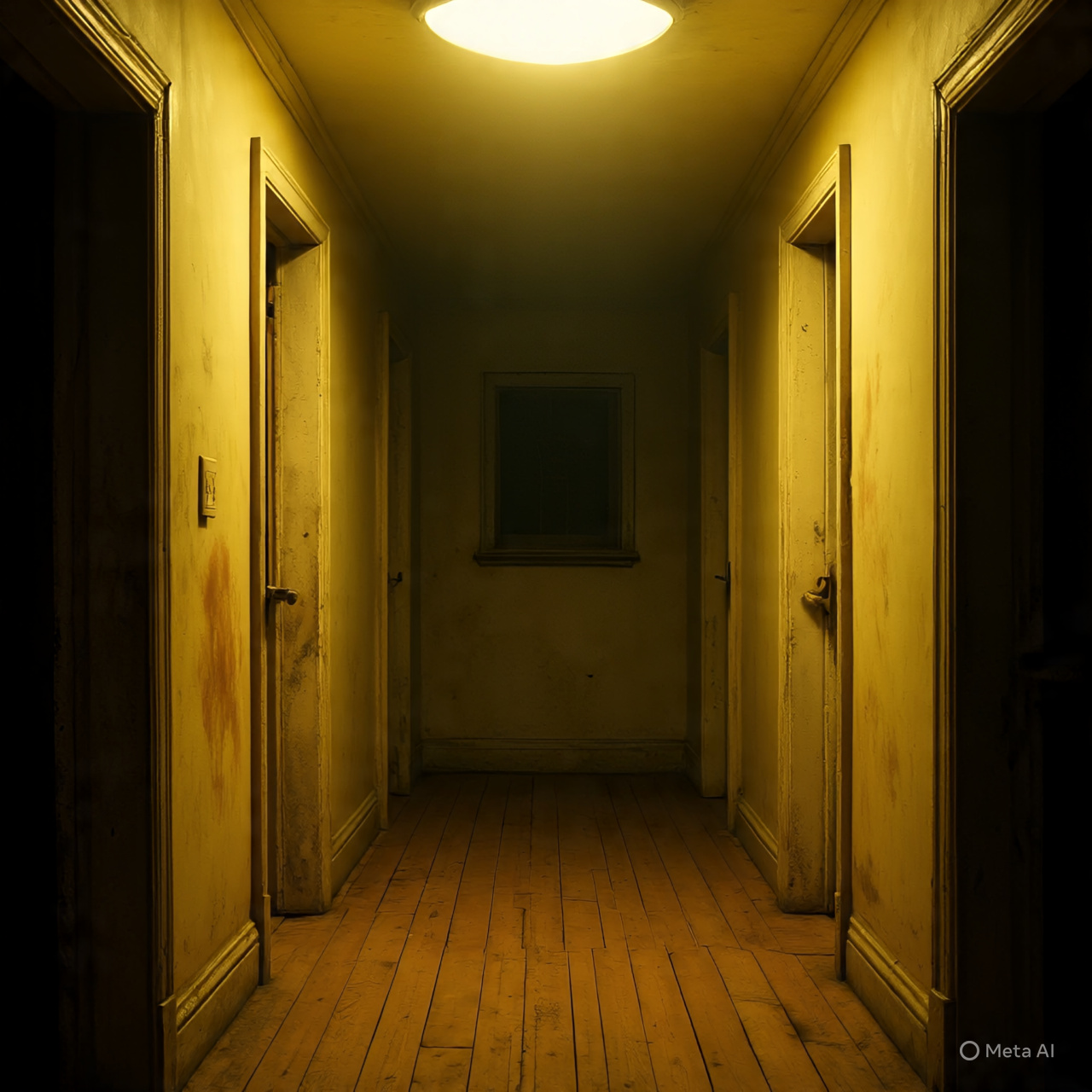
George and Kathy Lutz were the primary witnesses. They described glowing red eyes looking in from the window, a demonic pig creature named "Jodie" befriending their daughter, and Kathy levitating above the bed. Father Ray Pecoraro, a priest who came to bless the house, allegedly heard a disembodied voice scream "Get out!" and was subsequently slapped by an unseen hand.
Investigation & Reports
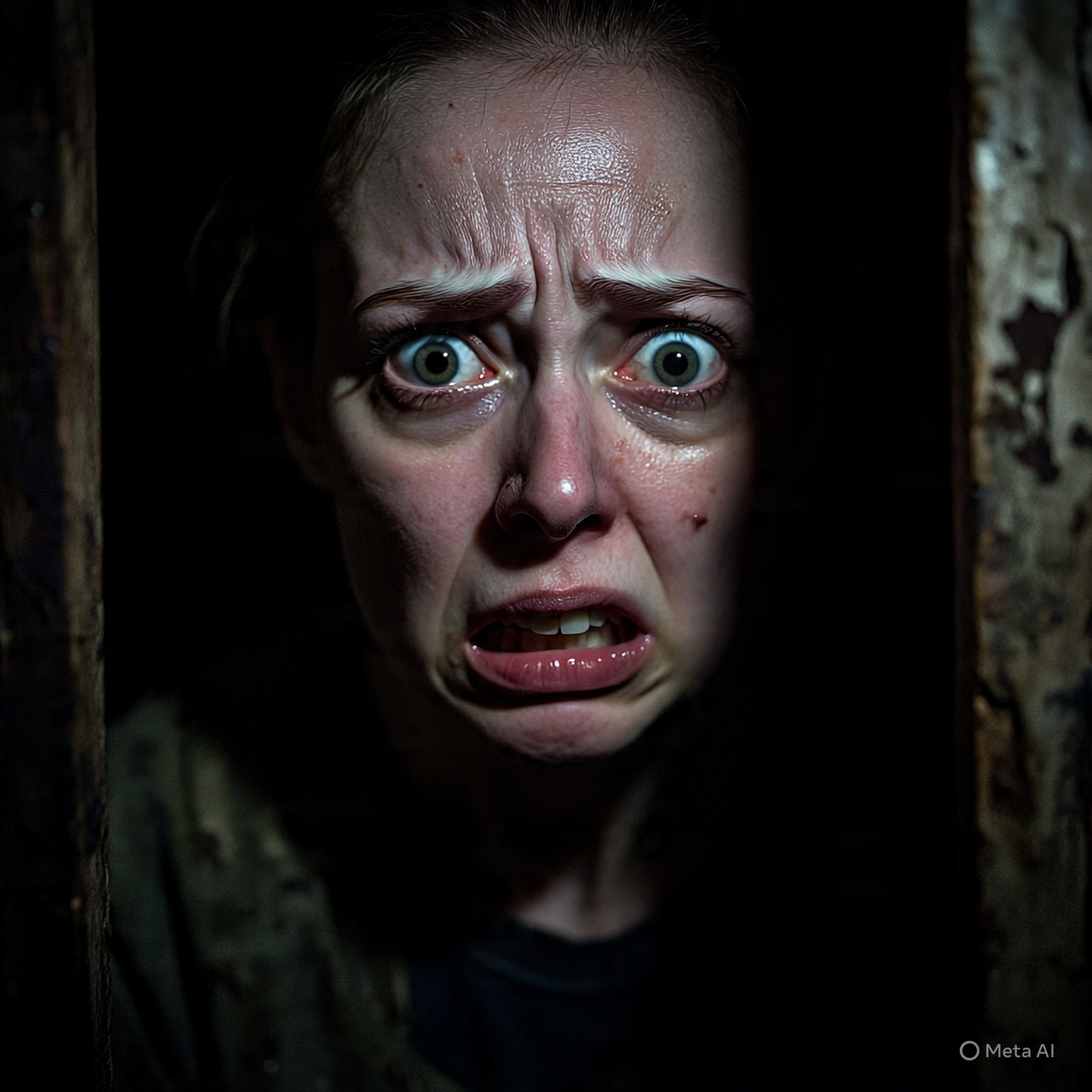
The case was investigated by demonologists Ed and Lorraine Warren in early 1976. They conducted a seance televised by local news, where Lorraine claimed to feel an "overwhelming sense of sadness and depression." A famous photograph taken during an investigation by gene Campbell seemingly shows a small boy with glowing eyes peering from a doorway, which some believe is the ghost of John Marc DeFeo.
Skeptical Perspectives
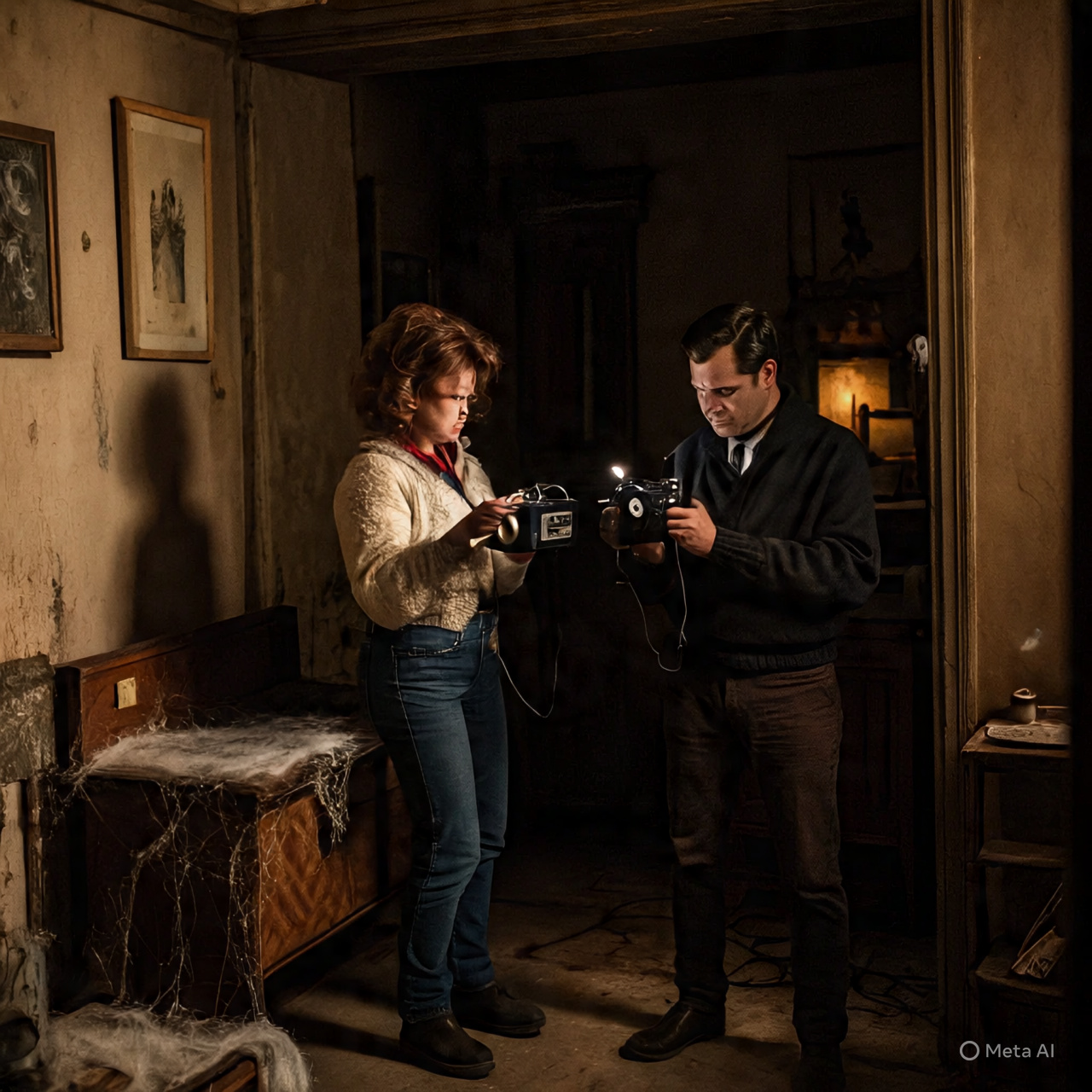
Scrutiny of the Lutz's story revealed inconsistencies. Weather reports contradicted their claims of snow cloven hoof prints. William Weber, Ronald DeFeo's defense attorney, later claimed he and the Lutzes "created this horror story over many bottles of wine" to gain a book deal and potentially a new trial for DeFeo. The current owners of the house have lived there for decades with zero paranormal incidents.
Current Status / Conclusion
The Amityville house still stands, though its address has been changed to discourage tourists, and the iconic quarter-moon windows have been replaced. It remains a private residence. While the DeFeo murders are indisputable historical fact, the "haunting" is widely regarded by researchers as a hoax or exaggeration, though the Lutzes maintained their account until their deaths.
Sources
- The Amityville Horror by Jay Anson (1977).
- Suffolk County Police Department Files (DeFeo Murders).
- The Washington Post - "The True Story of Amityville" (Archive).
- ABC News - Interviews with George Lutz.
Disclaimer
This story is presented for informational and educational purposes only. It is based on publicly available reports, folklore, and eyewitness accounts. The website does not claim these events as proven facts.