 Shadow Archive
Introduction
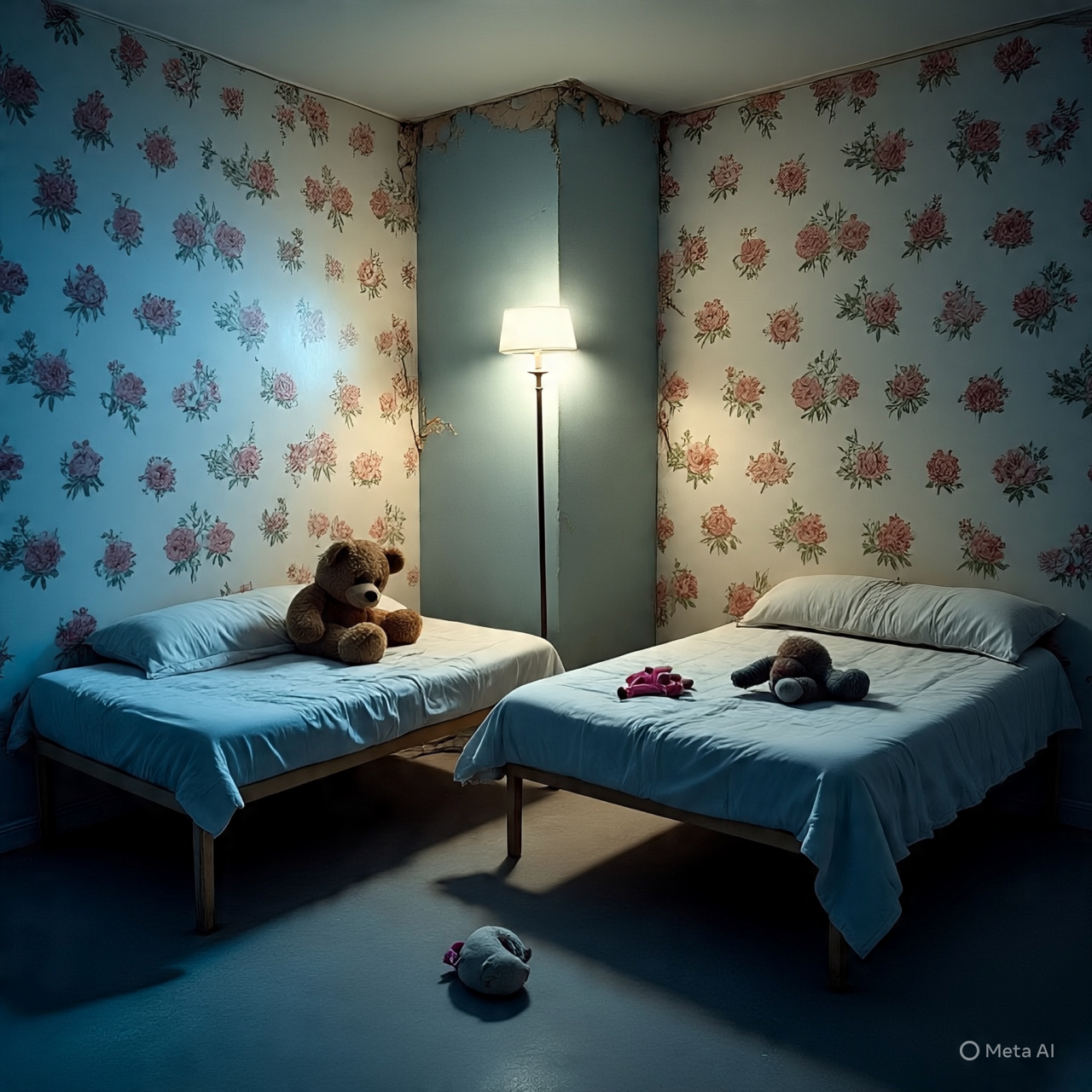
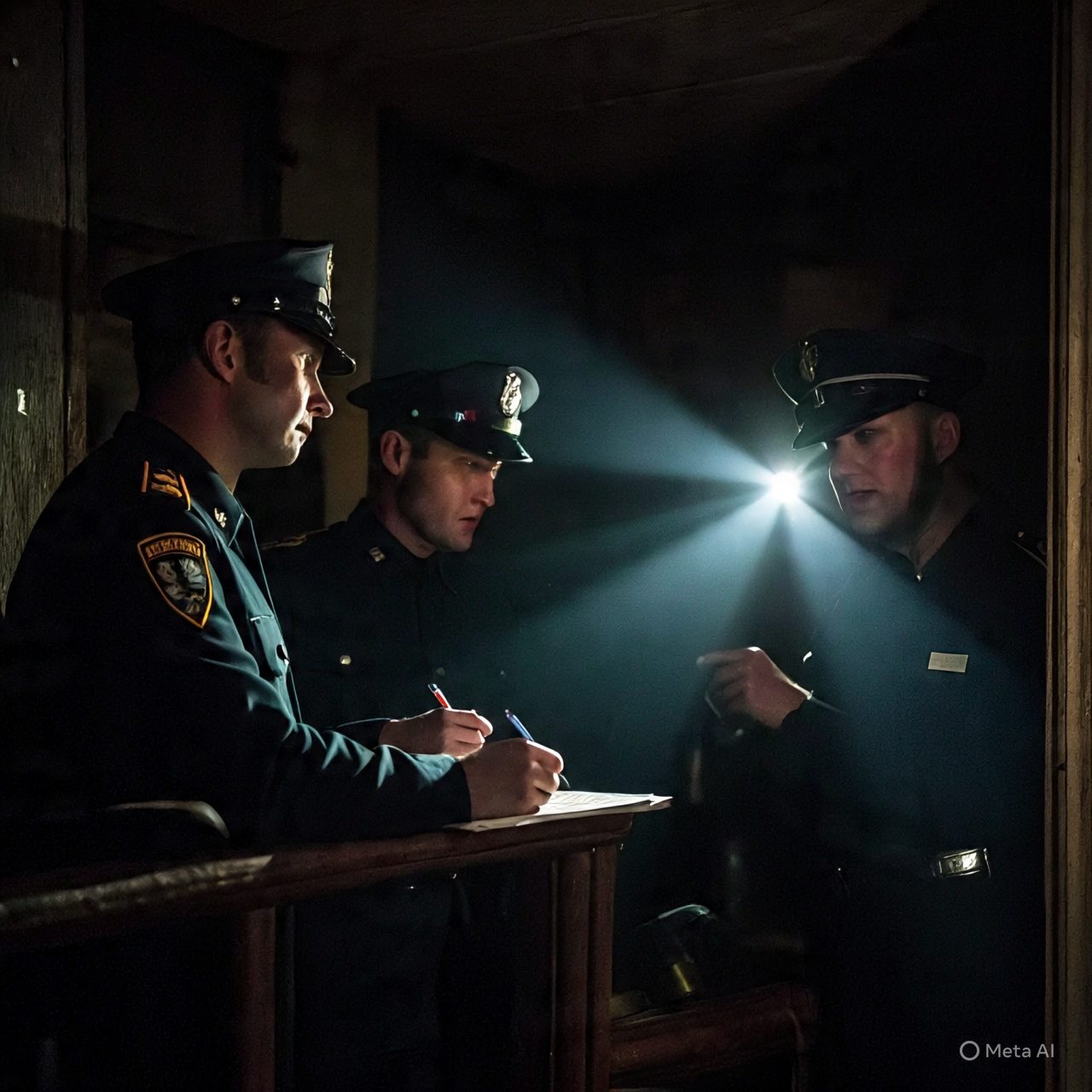
In August 1977, single mother Peggy Hodgson called the police to her rented council house at 284 Green Street in Enfield. She reported witnessing furniture moving on its own and hearing knocking sounds within the walls. This call marked the beginning of the Enfield Poltergeist case, a series of events that would become the most documented and controversial haunting in British history.
Background
The Hodgson family consisted of Peggy and her four children: Margaret (13), Janet (11), Johnny (10), and Billy (7). The activity centered primarily around Janet. Over a period of 18 months, more than 30 people, including neighbors, paranormal investigators, and journalists, claimed to witness heavy furniture sliding across the floor, objects being thrown, cold breezes, and physical assaults on the children.
Eyewitness Accounts
One of the first witnesses was a police constable, Carolyn Heeps, who signed an affidavit stating she saw a chair slide across the floor "wobbling from side to side" with no one touching it. Photographer Graham Morris of the Daily Mirror claimed he was hit in the face by a Lego brick thrown by an unseen force. Neighbors Vic and Peggy Nottingham reported hearing loud knocking that moved around the house as they investigated.
Investigation & Reports
The case drew the attention of the Society for Psychical Research (SPR), specifically investigators Maurice Grosse and Guy Lyon Playfair. They spent months in the house, recording thousands of hours of audio. Their tapes captured Janet speaking in a deep, guttural male voice, identifying himself as "Bill Wilkins," a man who had died in the living room years prior. Years later, Bill Wilkins' son confirmed that the details Janet provided about his father's death were accurate.
Skeptical Perspectives
Skeptics, including magicians and psychologists, argued that the children were playing tricks. Anita Gregory of the SPR suspected Janet of faking incidents for attention. Janet was caught bending spoons and hiding tape recorders on a few occasions. In later interviews, Janet admitted to faking "about 2 percent" of the phenomena to see if investigators would catch them, but insisted the vast majority was real and beyond her control.
Current Status / Conclusion
The activity subsided in 1979, but the debate rages on. The house is still occupied today, with subsequent tenants reporting a quiet atmosphere. The case remains a touchstone for paranormal researchers due to the sheer volume of independent witness testimony and audio evidence. Whether a complex hoax or genuine supernatural activity, the Enfield Poltergeist changed the lives of the Hodgson family forever.
Sources
- This House Is Haunted by Guy Lyon Playfair (1980).
- BBC Audio Archives - "The Enfield Poltergeist" (Taped Interviews).
- Society for Psychical Research (SPR) Case Files.
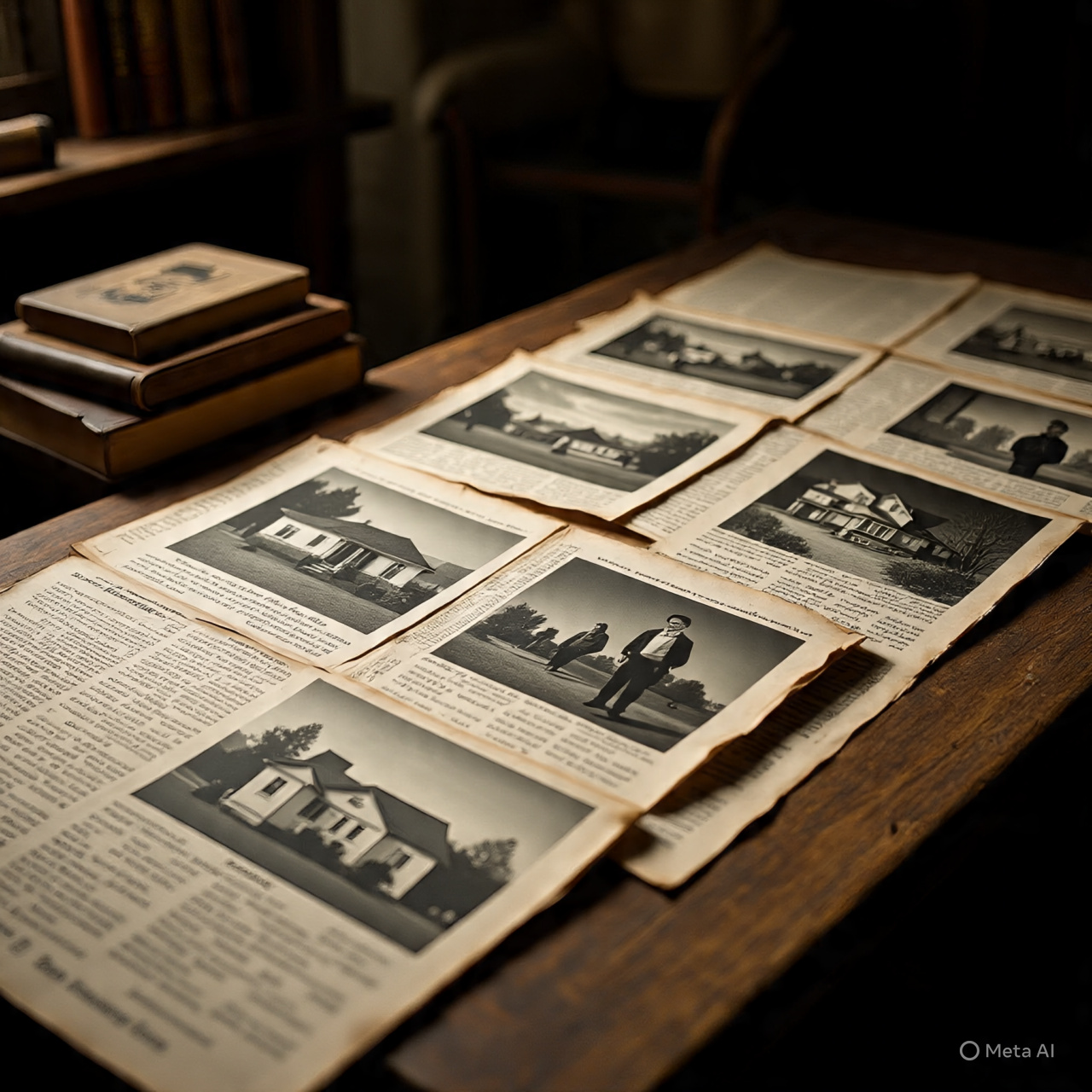
- Daily Mirror Archives (1977-1979 Reports).
Disclaimer
This story is presented for informational and educational purposes only. It is based on publicly available reports, folklore, and eyewitness accounts. The website does not claim these events as proven facts.